Best Rehabilitation Centre For Women in Noida NCR!

Contact Now

To avail free Assessment
Rakshabandhan blog Raksha Bandhan, also known as Rakhi, is an ancient and meaningful festival with deep roots in Indian culture ...
The Sukoon Villa Foundation goes a long way towards connecting it's residents with Indian traditions. With this motivation and to ...
Independence Day in India is celebrated on August 15 every year. On this day Sukoon witnesses the patriotic fever among ...

Sukoon Villa Foundation : A Women Rehabilitation

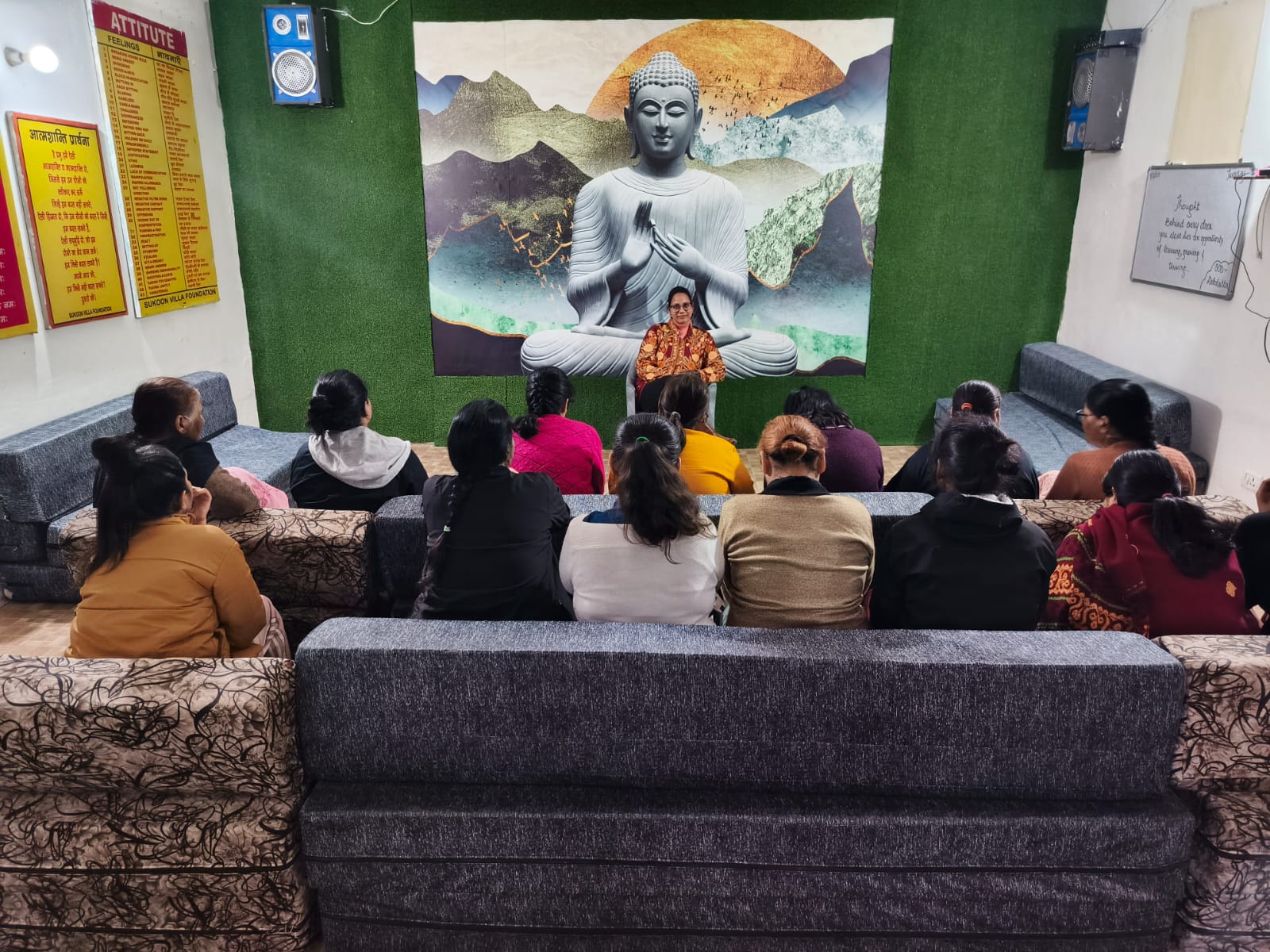
Sukoon Villa Foundation is a female rehabilitation centre for deaddiction which is dedicated to help women struggling with addiction to alcohol or other drugs. With a focus on providing an environment of understanding, our dedicated professionals offer a wide range of services to help our clients live a full, productive, and balanced life. The Sukoon Villa Foundation is a safe place for women, providing a holistic approach grounded with our faith in empowering women to make positive and permanent lifestyle changes.

It is a place where addicts can achieve sobriety whilst in a comfortable setting, expert supervision and supportive environment. Our high success rate means addicts have a better chance to lead a life without drugs.

A Careful thought and consideration must go into your treatment centre selection. It will be a life changing decision, and we are confident that by choosing us, this choice will lead to a life enhancing experience. Our centres experienced and passionate team work personally with every individual on their road to recovery.


Rehabilitation Program:


The structure of a women’s rehabilitation is a residential program that is built around empowering women and making them feel as comfortable as possible in the treatment experience. The approach of a women’s rehab will be different than that of a men’s rehab. This is because the programs are designed with gender-specific needs in mind.

A women’s rehab program has many benefits, including:

  • A safe and supportive therapeutic environment
  • The absence of the distractions and triggers of the opposite sex
  • Female-led therapies and support
  • A variety of therapies that allow you to be able fully customize a treatment plan with a variety of therapies
  • Being among other women who share similar experiences
  • The opportunity to build life-long female relationships that you can count on for years to come

The different societal pressures, triggers, and past traumas women face—as compared to men—make a women’s rehab one of the most effective treatment options for a substance use disorder and any co-occurring mental health disorder.


Outpatient Program:


Outpatient rehab is a non-residential, therapy-based treatment for drug and alcohol addiction. Outpatient live at their own and their life continues as usual, outside the treatment. Outpatient treatment refers to a flexible approach to addiction recovery where individuals receive therapy and medical care without residing in a facility. Unlike inpatient programs, outpatient treatment allows participants to live at home and maintain their daily routines while attending scheduled therapy sessions and medical appointments.

Outpatient treatment allows patients to schedule therapy sessions around work, school, and family commitments. As progress is achieved, customized care with varying intensities, from frequent sessions to less intensive visits, is offered. Outpatient treatment varies in intensity and duration, with some programs offering several hours of therapy each day while others require fewer sessions per week. The focus is on providing comprehensive care tailored to the individual’s needs, addressing both the physical and psychological aspects of addiction.

Talk To The Counselors : +91-9871050596

Leading Women Rehabilitation Centre in Noida for Alcohol and Drugs

Methods applied for treatment

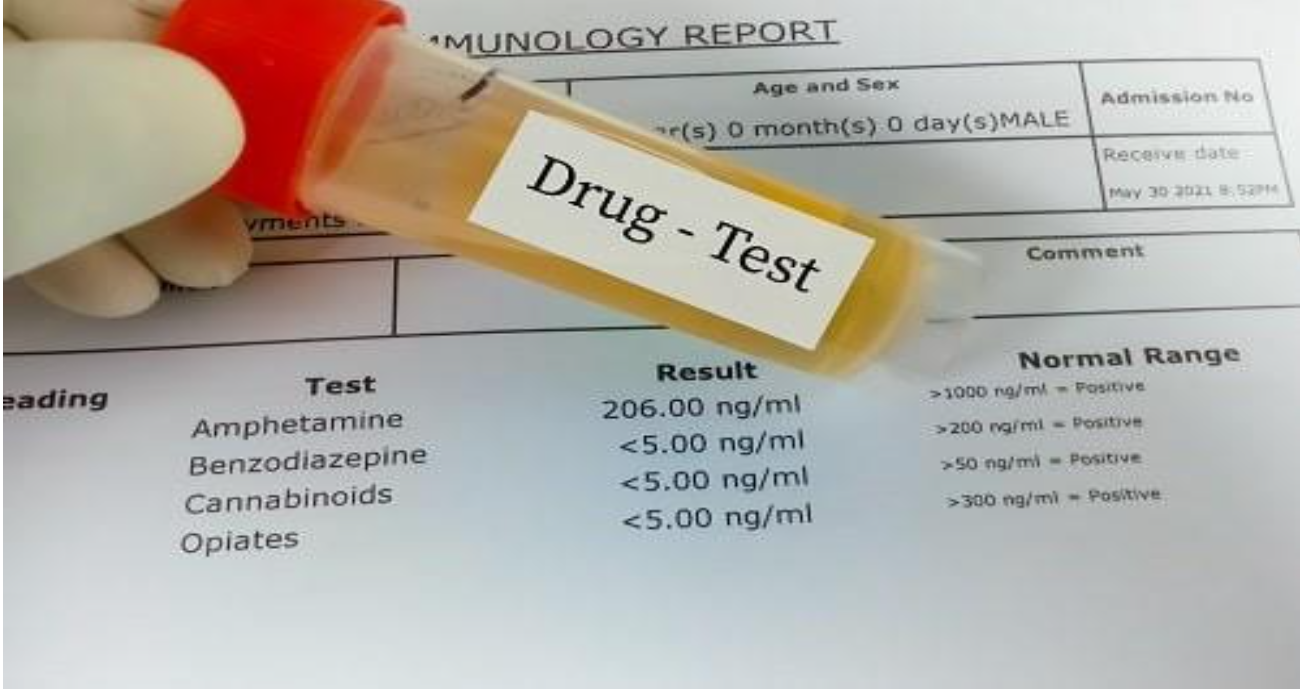
Evaluation through laboratory testing

Lab testing of urine and blood is done to detect the substance use through the help of clinical rational where a positive result indicate usage but not necessarily a substance use disorder or intoxication and a negative result does not rule out.

Contact
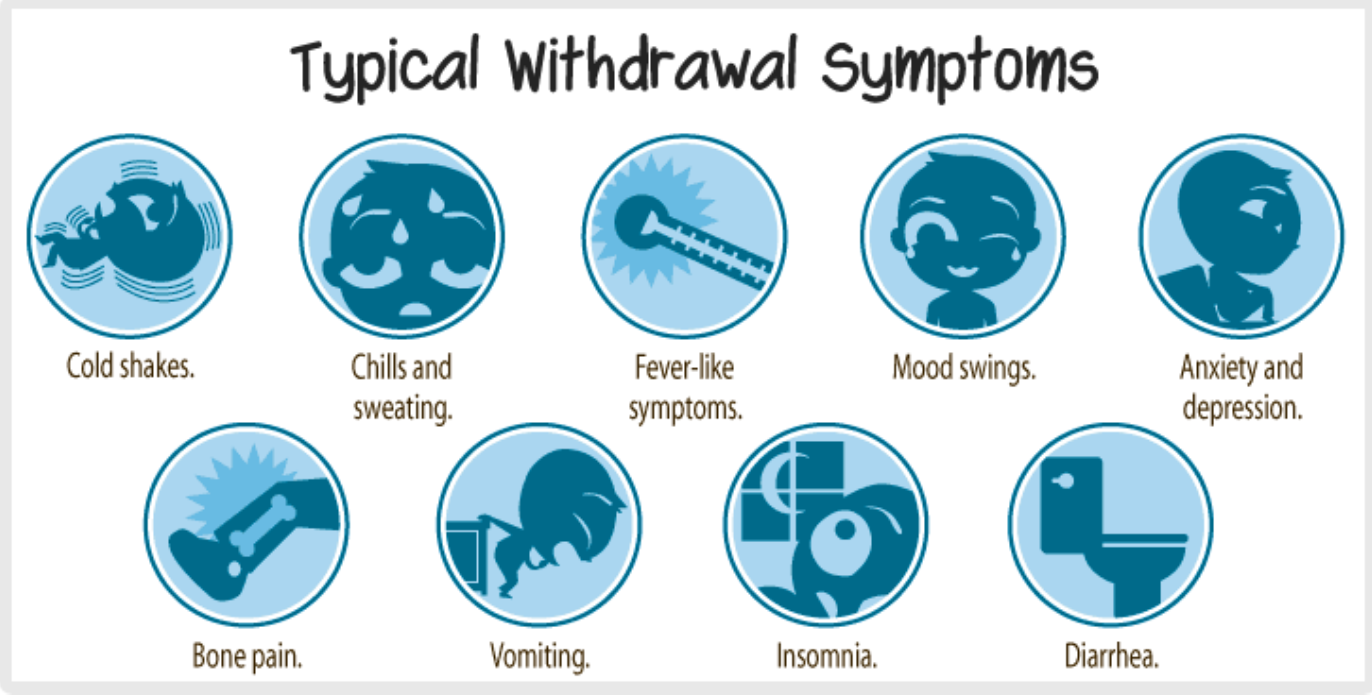
Assessment and treatment of withdrawal symptoms

These symptoms of the withdrawals can be mild to severe e.g. anxiety, hallucinations, vomiting, seizures etc. As per withdrawals the medications are prescribed. The accompanies cessation of opioids use that has been heavy and prolonged leads to following signs and symptoms.

Contact
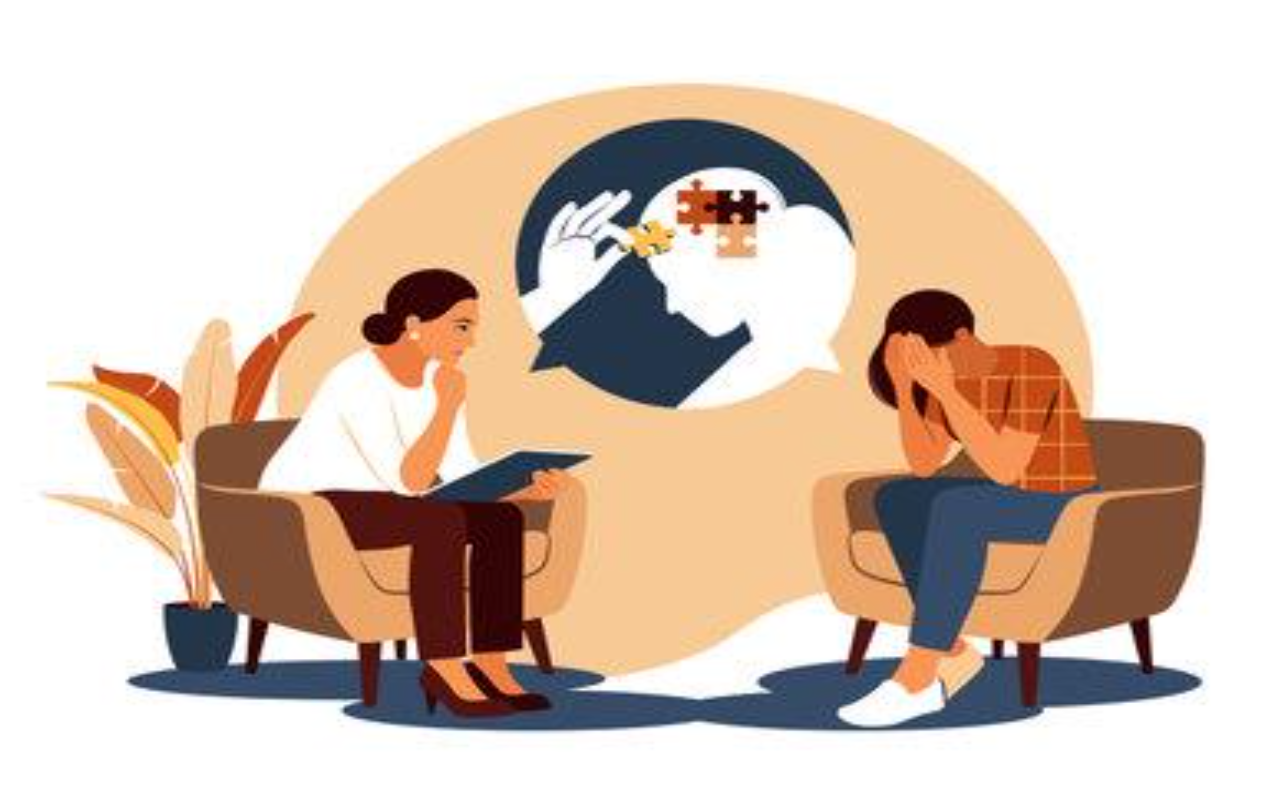
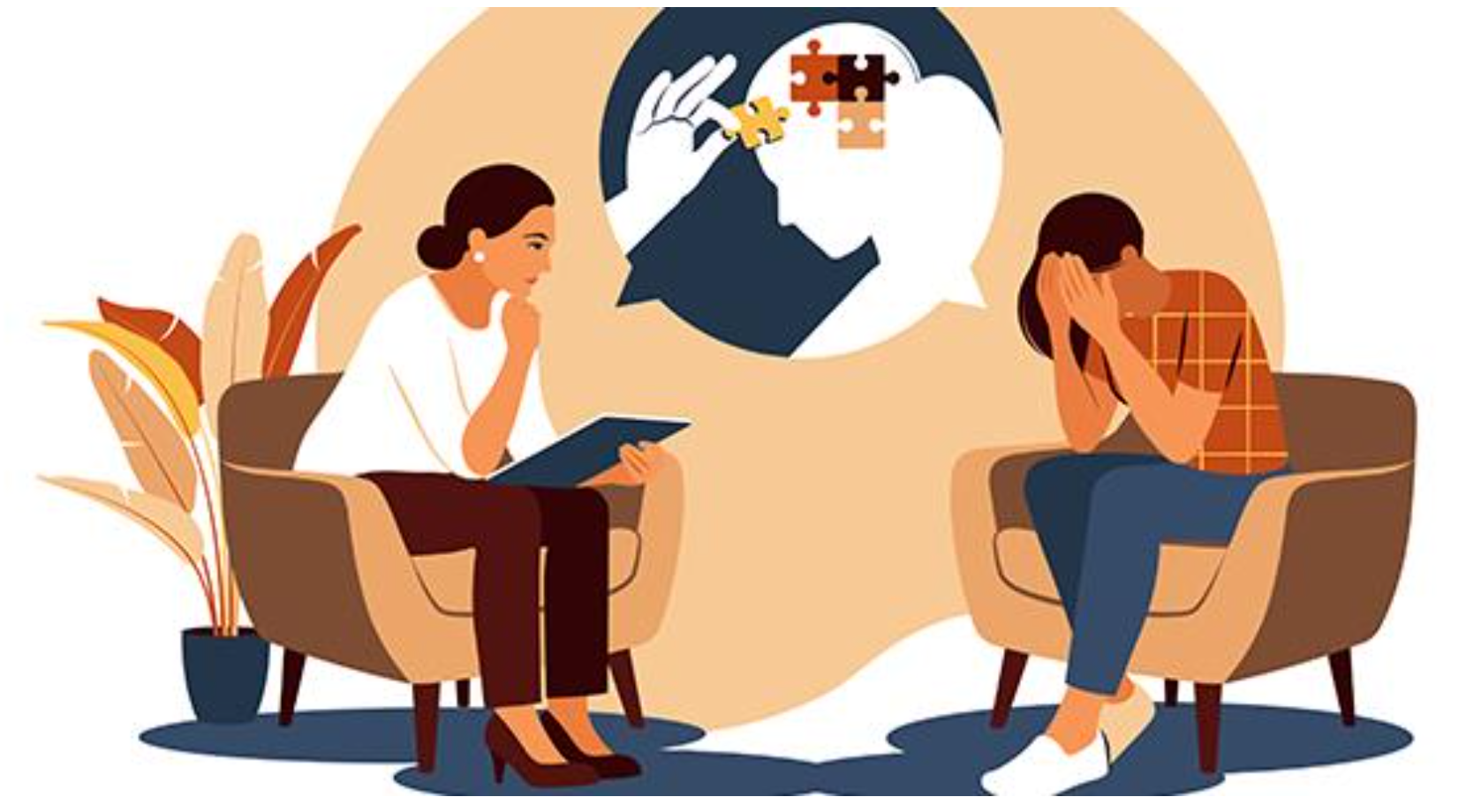
Counselling and behavioural therapies

These are an important component of recovery. Counselling and behavioral therapies are provided that can help someone with a substance use disorder to build healthy life skills, change their attitudes and behaviors, drug refusal skills, addressing motivation and staying compliant with treatment. Most importantly building bond with family all over again. The counsellor plays the role by:

  • - Providing information about the drug of choice and discuss the recovery process
  • - Put together a structured and realistic treatment and recovery plan based on your needs.
  • - Help uncover any underlying issues and triggers associated with your addiction patterns.
  • - Offer tips and techniques for a successful recovery and long-term sobriety.
  • - Give regular assessments to determine your progress.
  • - Support you emotionally and encourage you throughout each stage of recovery.
Contact

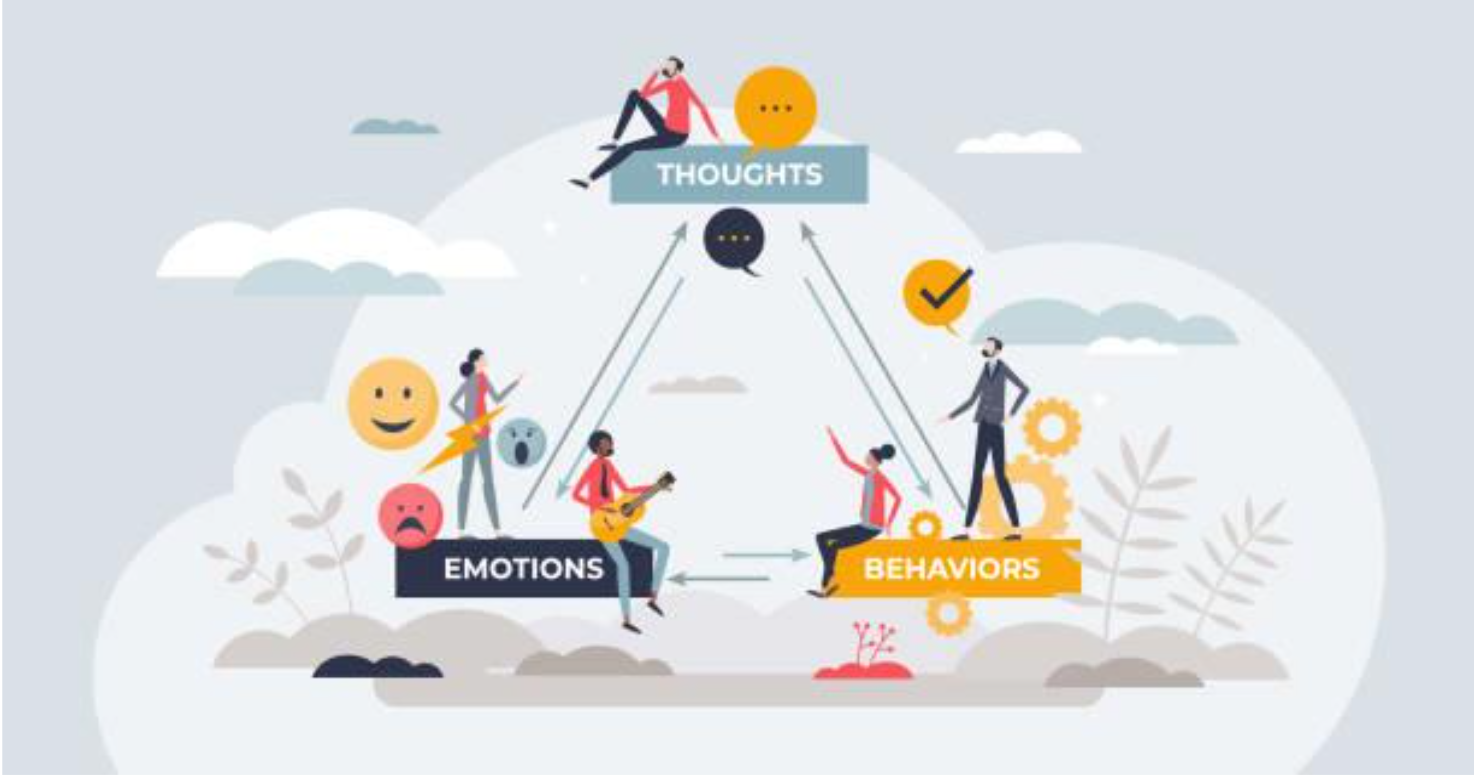
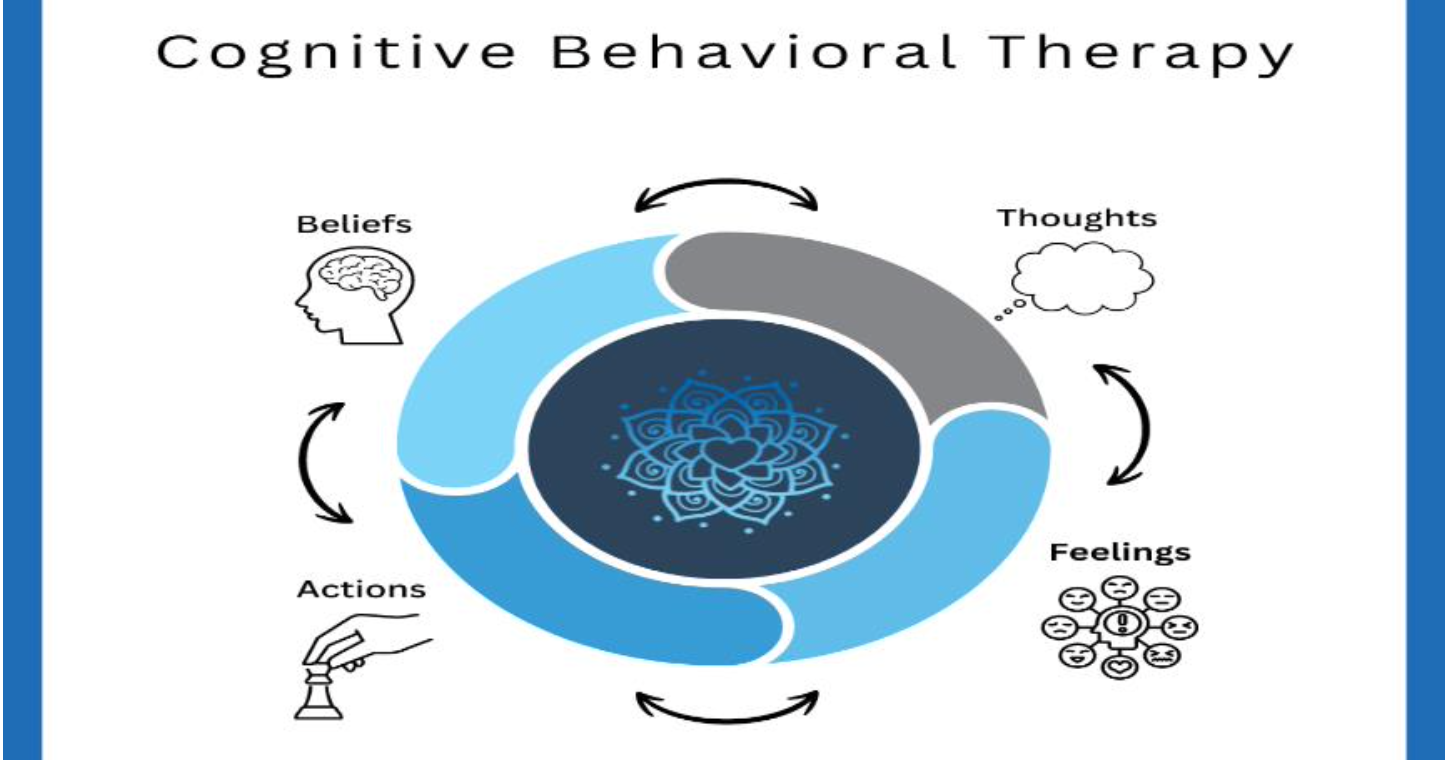
Cognitive Behaviours Therapy

It helps a person in treatment to recognize, avoid, and deal with the situations in which they may find themselves losing their resolve not to use drugs or alcohol. CBT is one of the more successful therapies when it comes to treating addiction as it helps to rearrange patterns of thinking and action that lead to addiction. CBT, also called talk therapy, combines therapeutic techniques from both aspects of cognition and behaviors to help individuals recognize and resolve distorted patterns of thought, which often influence their behaviors, leading to their addiction.

Contact
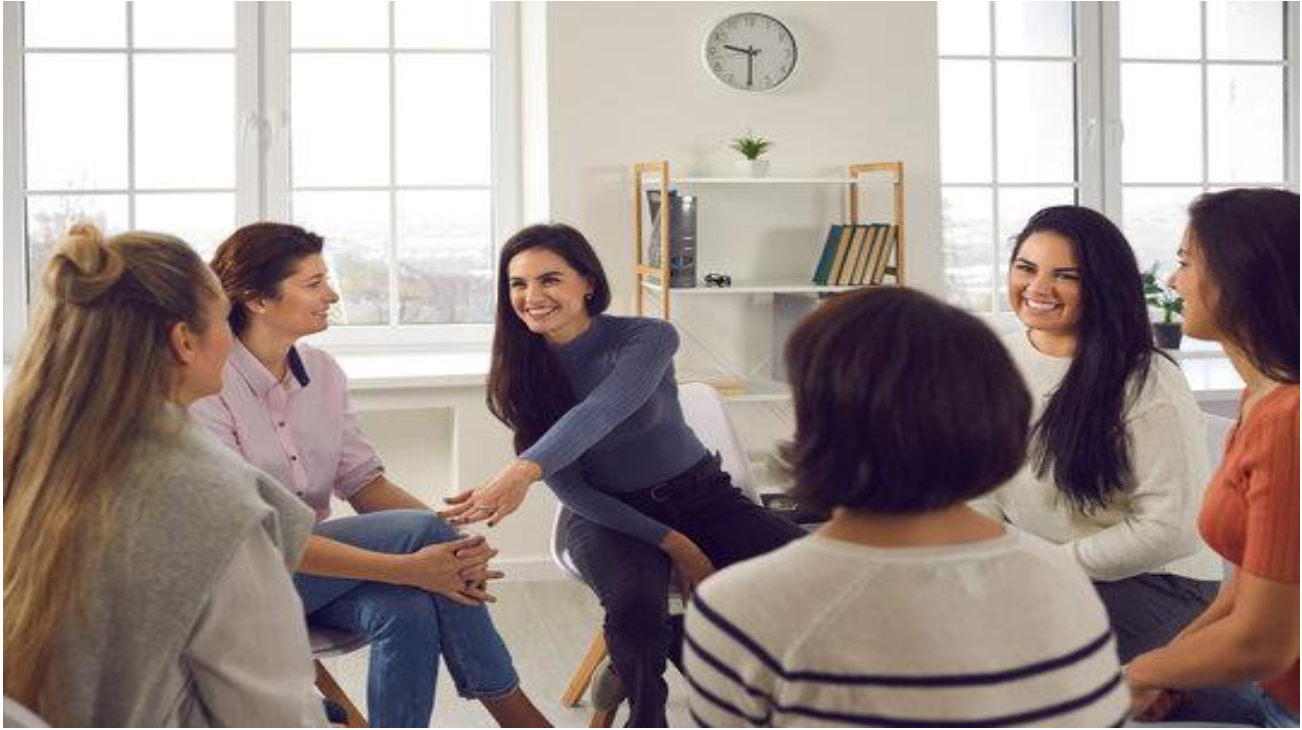
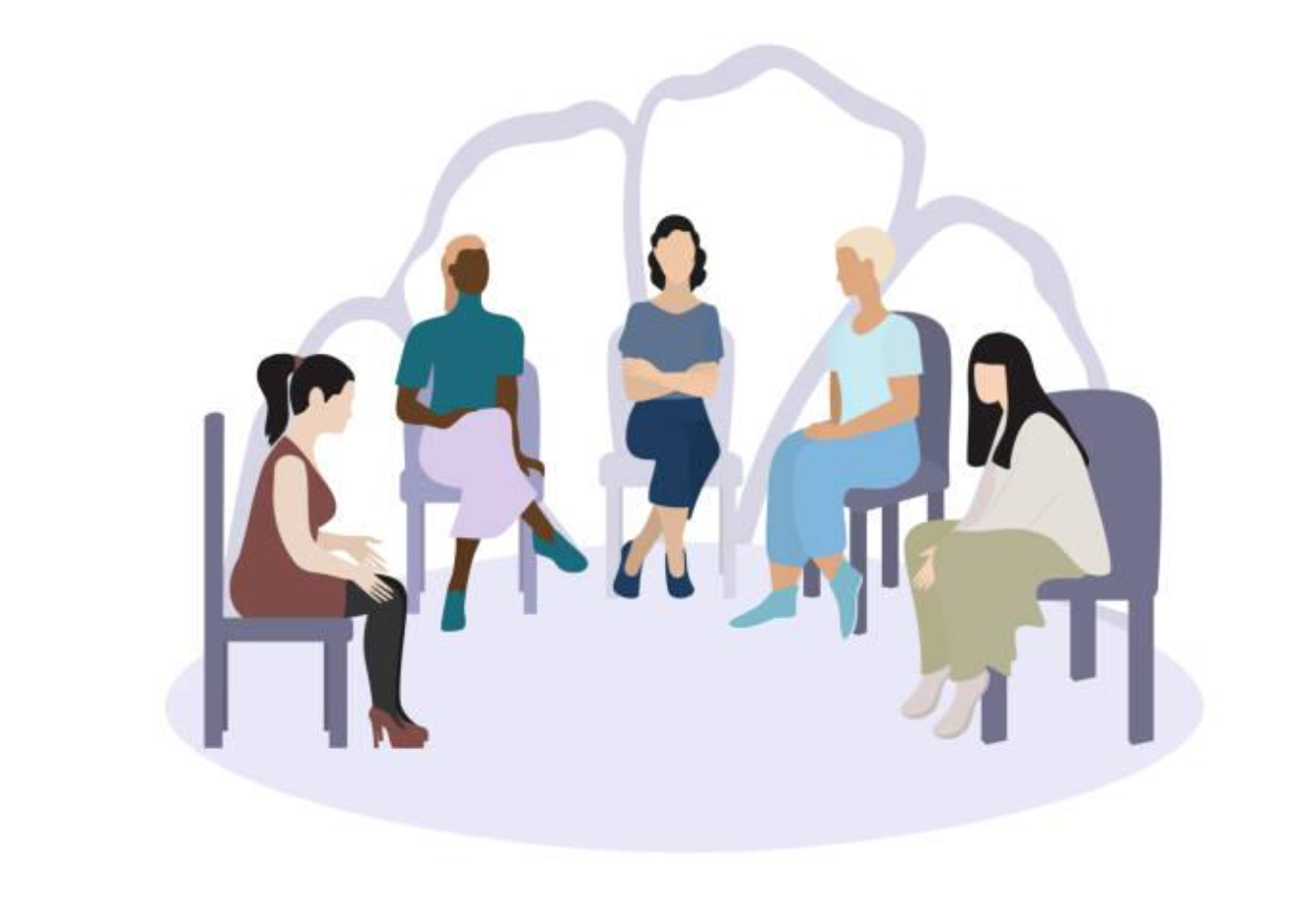
Mutual support groups and sessions

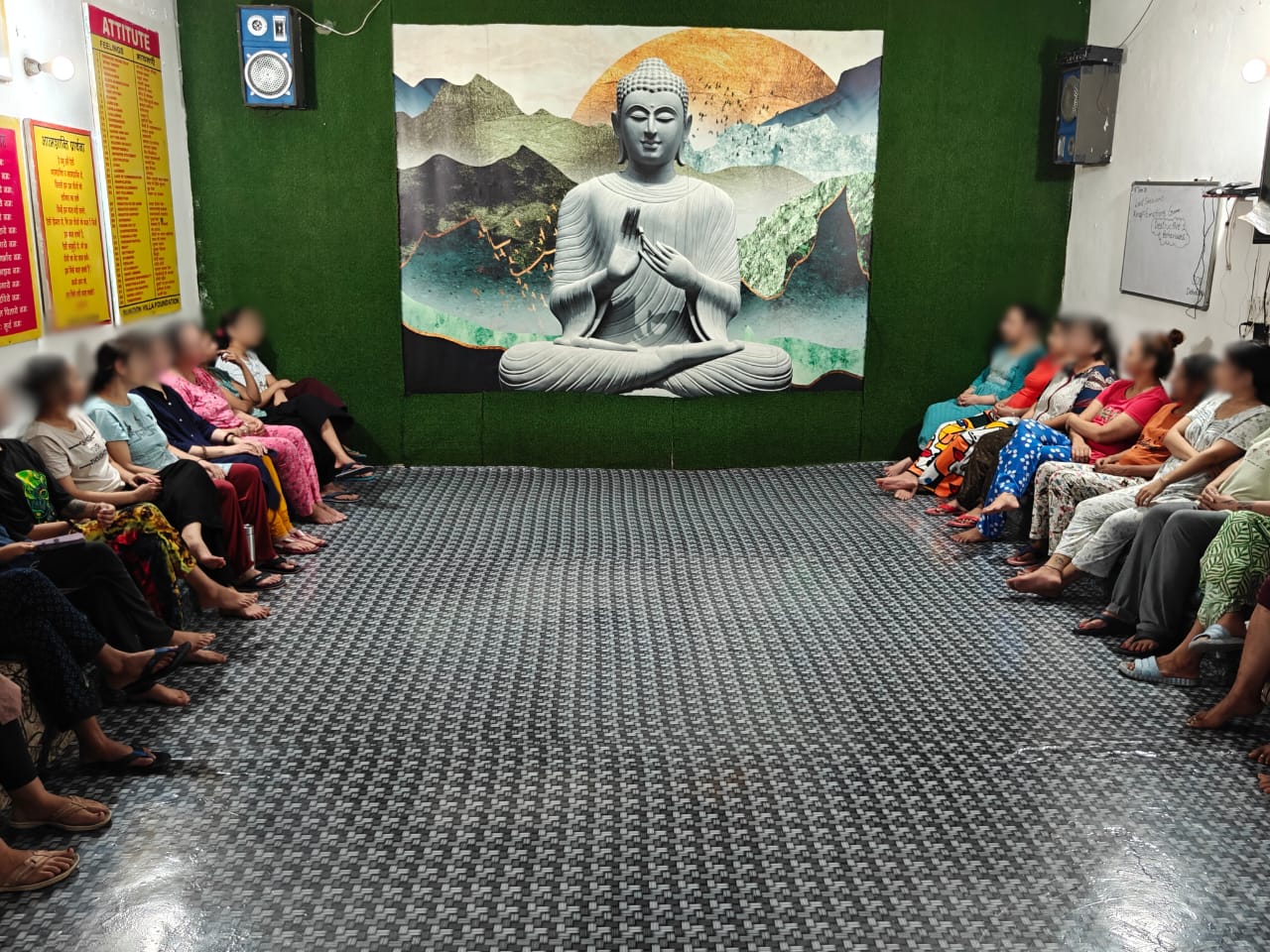
These are the groups where members can debunk each other's excuses and support constructive change. It is usually free and can be very helpful. They provide a sense of belonging, decrease stigma, and offer strong support and tools to lead a life without addiction. Various sessions are provided in group to develop and boost the internal motivation of the person with the following goals:

  • - Educate them to break the addiction cycle and start teetotalism.
  • - Enhance problem-solving skills and coping techniques achieve sobriety in the long-run.
  • - Avoid and overcome opioids craving and dependence.
  • - Handle high-risk triggers and relapses.
  • - Educates the family members how to be an active participant in the recovery.
  • - Engages the person in programs such as 12-steps, narcotics anonymous.
Contact

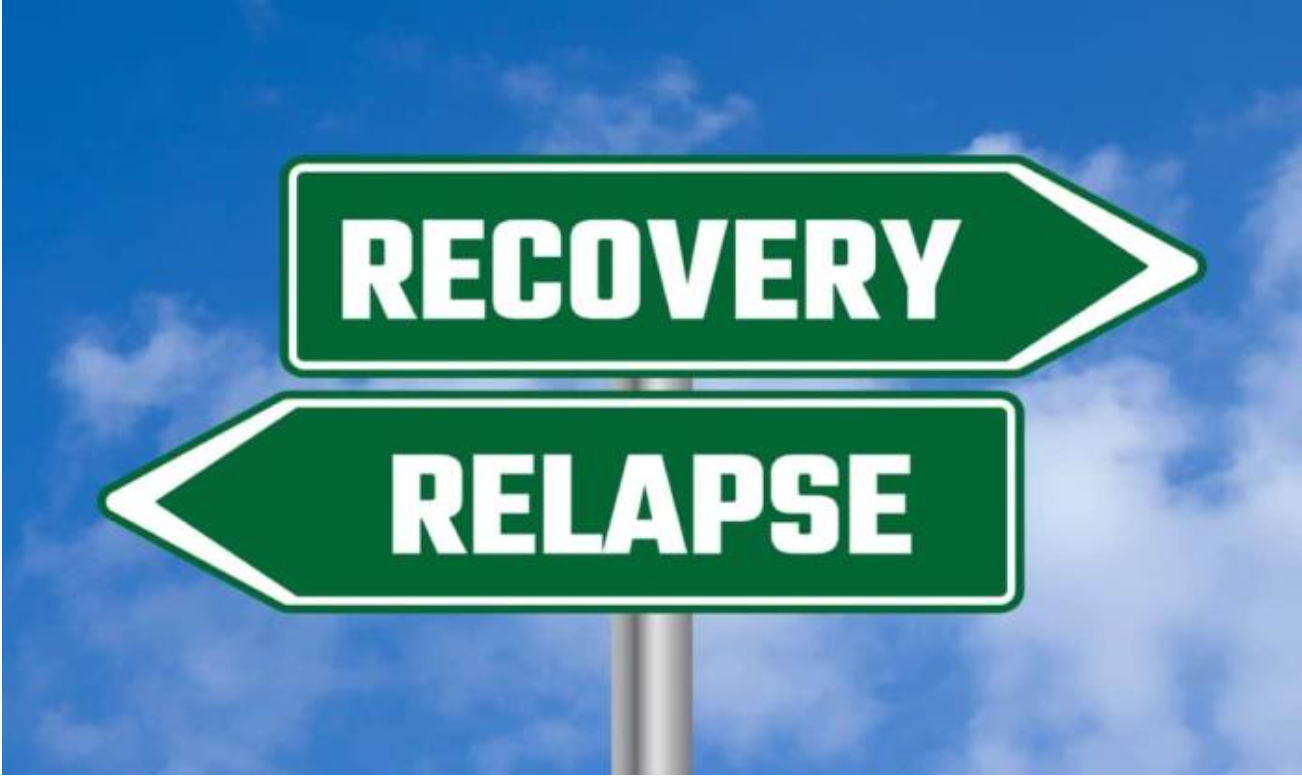
Relapse Prevention

Relapse is seen as both an outcome and a transgression in the process of behaviors change. An initial setback or lapse may translate into either a return to the previous problematic behaviors, known as relapse. This aims to create tailored plans according to the needs of each individual after analysing a few elements:

  • - A detailed account of the patient’s experience with opioids including previous relapses
  • - Warning signs and ways how you can best manage them
  • - A detailed list of counsellors, family and friends that can be used as a support network
  • - An emergency relapse plan
  • - Specific lifestyle changes

Contact

Yoga Therapy

It is a set of mental, physical, and spiritual disciplines that are intended to help improve one’s mood and sense of well-being. Those who practice it will use body posture, stretching techniques, and breathing modulations to help promote relaxation, physical strength, and spirituality. Yoga is a mindful physical activity that helps individuals deal with stress, and is especially vital for individuals involved in addiction and recovery. Yoga uses mental and physical techniques to target the part of the brain that was affected by a substance use disorder and helps to reduce drug cravings.

Contact

Exercise Session

When you’re recovering from substance use disorder, exercise is beneficial for both your body and mind. Physical and mental health are more connected than we realize, and exercising gives us the valuable opportunity to improve both at the same time. during recovery can be a key component in improving mental health and generating a more energized outlook on life. Other mental health benefits of exercise include sharper thinking, learning and judgment skills.

Contact

Art Therapy

The act of creating something is almost magical. Without words, you have the freedom to express complex ideas and feelings. Art therapy for substance abuse is a treatment that harnesses the power of art to help recovering addicts express thoughts and emotions they may not be able to say with words. Art is often a nonverbal process. Through art therapy, those in recovery can explore, understand and resolve issues they may feel uncomfortable talking about in traditional talk sessions. They can safely feel and process the full range of emotions surrounding their addiction experience.

Contact
Sukoon Villa Foundation as gender-specific treatment for substance abuse

Introduction


Men and women have different needs when it comes to recovering from addiction. Women use drugs and alcohol for different reasons, have different experiences as a result of their drug use, and respond to different kinds of treatment than men. For this reason, women’s rehab programs can be beneficial for treating addiction, mental health conditions, and trauma.


Sukoon Villa Foundation is a female rehabilitation centre that follows an approach to addiction treatment that is gender-specific for substance abuse. It enables women to address the specific issues that might contribute to their alcohol or drug abuse. This article will address some of the functioning associated with gender-specific treatment for substance abuse.


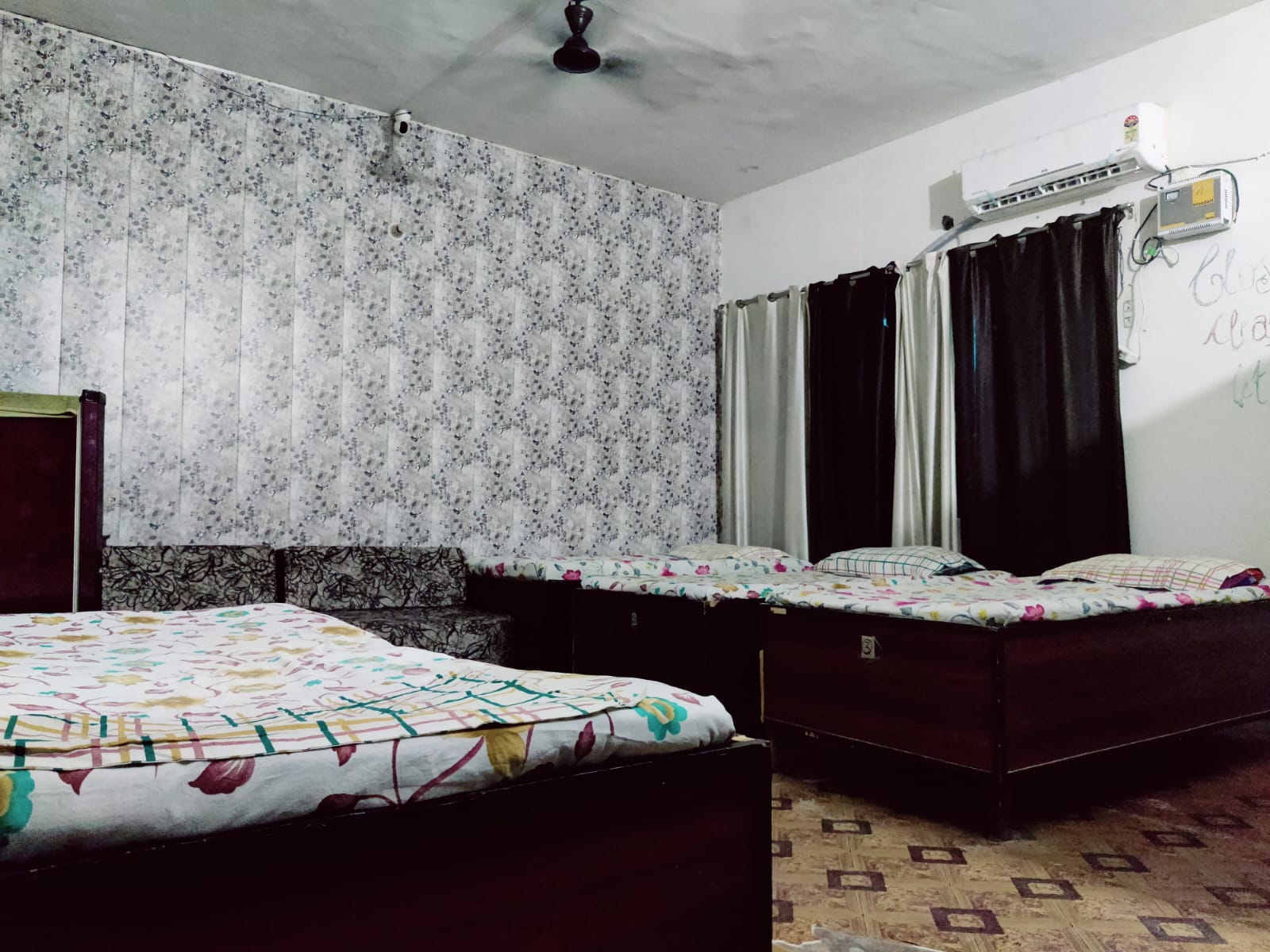
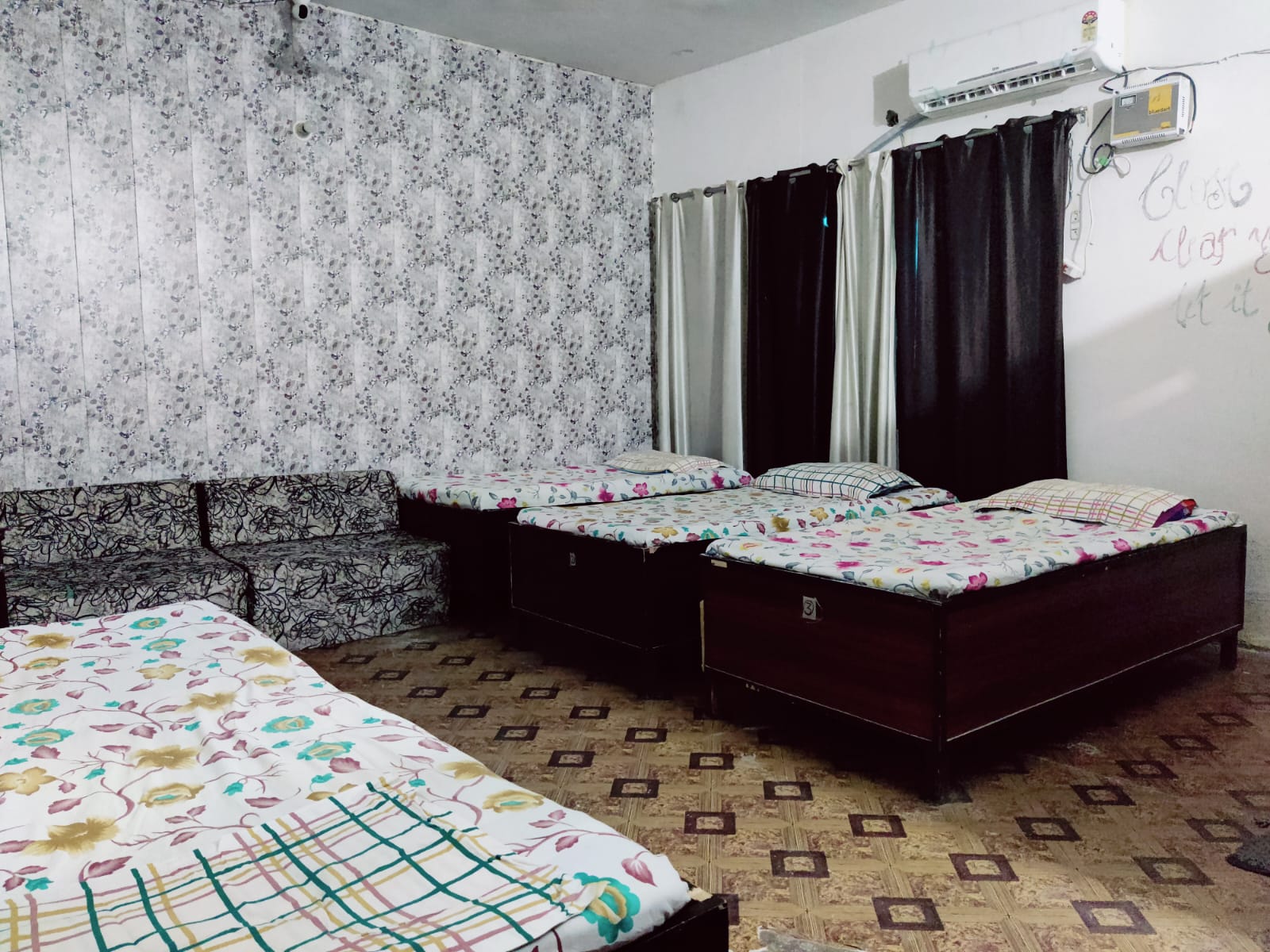
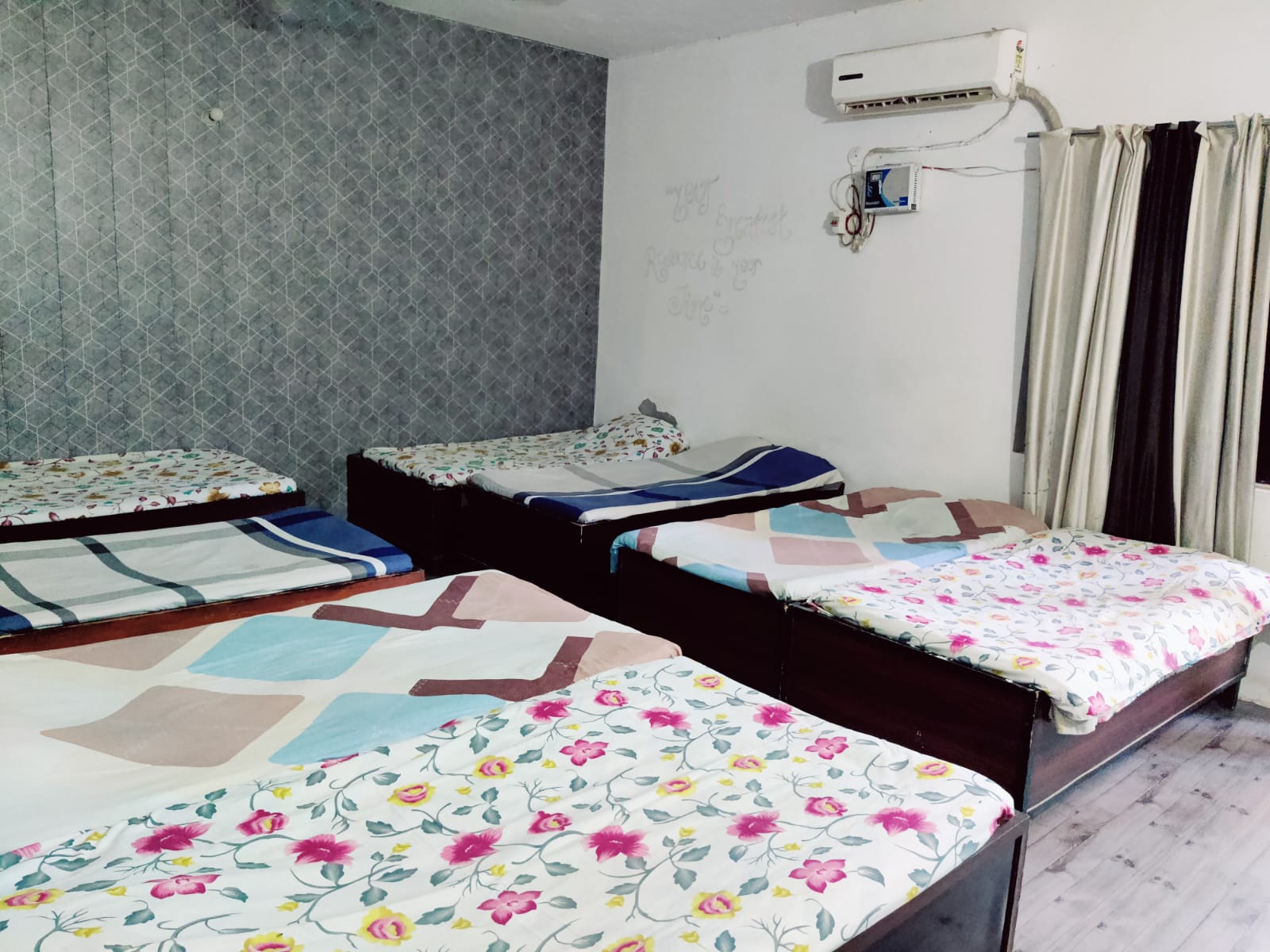
Women Rehabilitation Centre with a blend of comfort and security


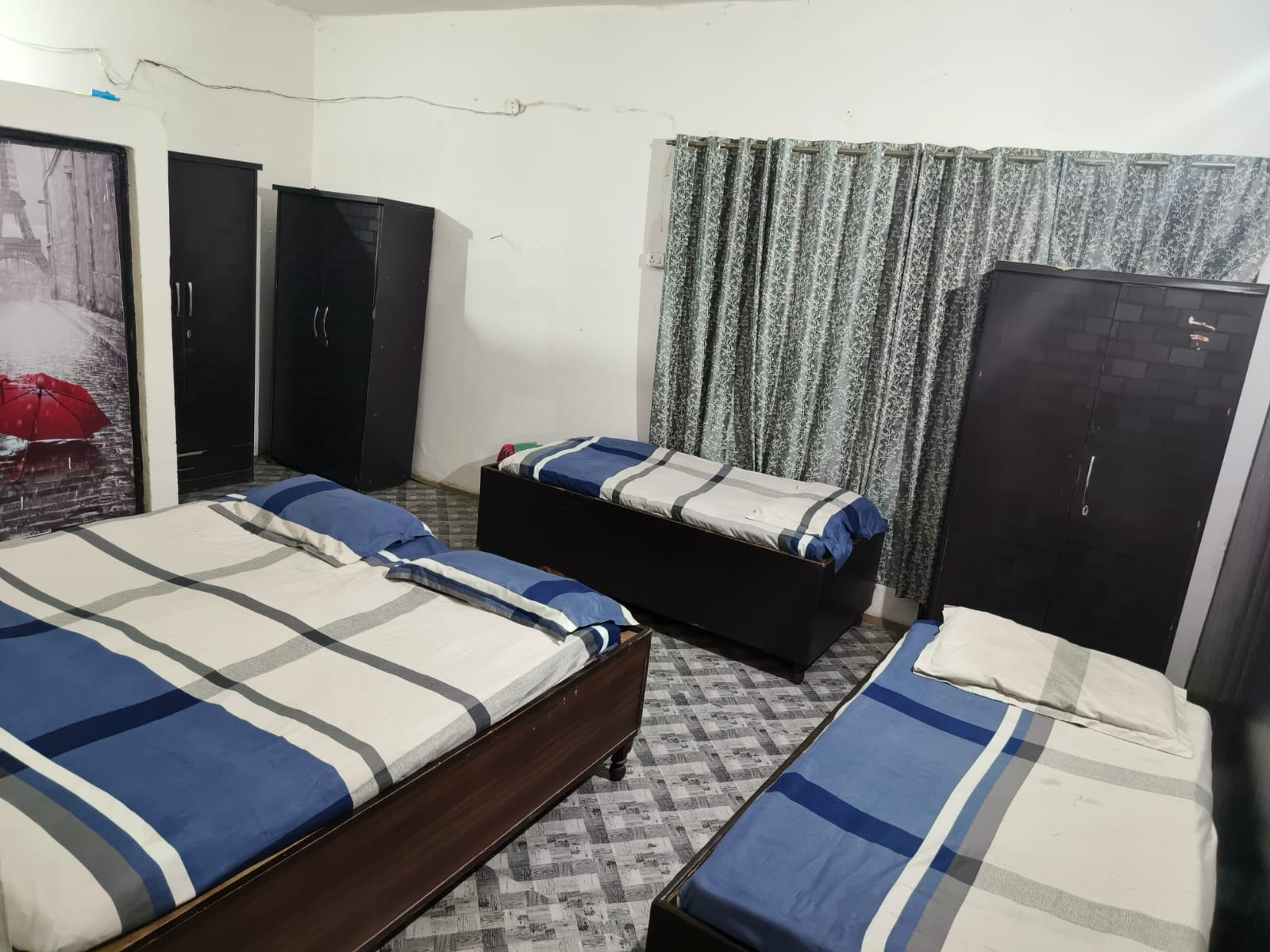
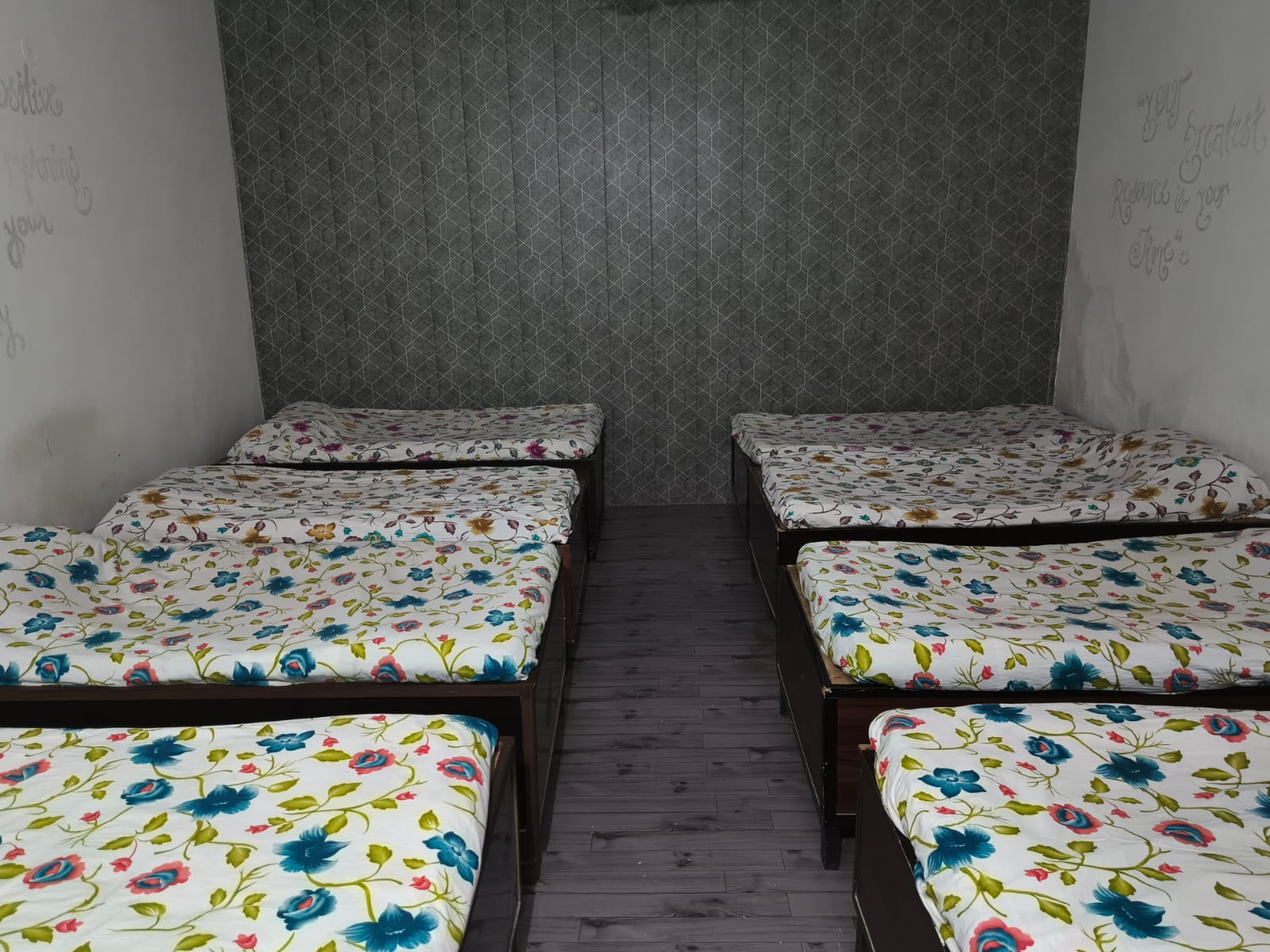
Anyone who signs up for the best women’s treatment program can expect to spend time in private, separate living for women for maximum comfort with maximum security, this is what Sukoon provides. In addition, there are licensed, expressive therapists who empower women and explore topics for providing hope and healing.


Sukoon rehabilitation program follows an integrated and holistic addiction treatment care model that provides individualized clinical care. Only the latest research-supported clinical rehabilitation modalities ensure sustained recovery while also addressing clinical issues simultaneously and in an integrated fashion.


Women Struggling with Addiction Face Severe Health-Related Consequences


Besides the challenges, A primary reason females need to enroll in a women’s addiction center program is that they face severe health-related issues due to substance abuse. Women are more likely to experience health-related consequences and report greater severity of such effects than men. Generally, women develop substance abuse problems much faster than their male counterparts. Women have a lower body weight than men as they carry less water and more fat in their bodies. This leads to their bodies retaining substance for a more extended time, exposing their internal organs to substance for a more significant amount of time. Sukoon focuses these health related challenge and work or its cure.


Challenges of being caregiver faced by Women During Addiction Treatment


Although anyone can become an addict regardless of sex, women face different problems compared to men when it comes to substance abuse, mentally and physically. There are various challenges that women commonly face due to addiction. The truth is that women tend to be caregivers to children and feel stigmatized. They believe that their responsibilities to the household should not be neglected even for a short time. This makes it difficult for mothers to receive treatment. Women are more likely than men to report feeling shame because of substance abuse and feel stigmatized by the need for a women’s drug abuse program. Sukoon resolves this problem by helping a women stay in touch with the family by supporting phone calls and meetings to maintain the contact with the family.


Flexible Length of Stay Options


The best thing about a Sukoon treatment program is flexibility. Though research shows that longer lengths of stay correlate with better outcomes. Generally, Sukoon supports the treatment fare of 180 days for their better recovery. A longer length of stay would enable them to learn new ways to navigate the world and practice their newly discovered positive coping skills in a truly nurturing environment.


An extended length of stay guarantees a powerful transformation and provides opportunities for you to step up and reclaim one's life. Each person who is admitted to Sukoon is presented with a wide variety of options to ensure sustained life-long recovery.


Conclusion


Enrolling in the addiction treatment program will enable an individual to learn about the different experiences that women encounter and address them in a comfortable environment that is truly sensitive to your needs. In addition, when a women discuss her issues with other women, it provides her with many crucial benefits for recovery.


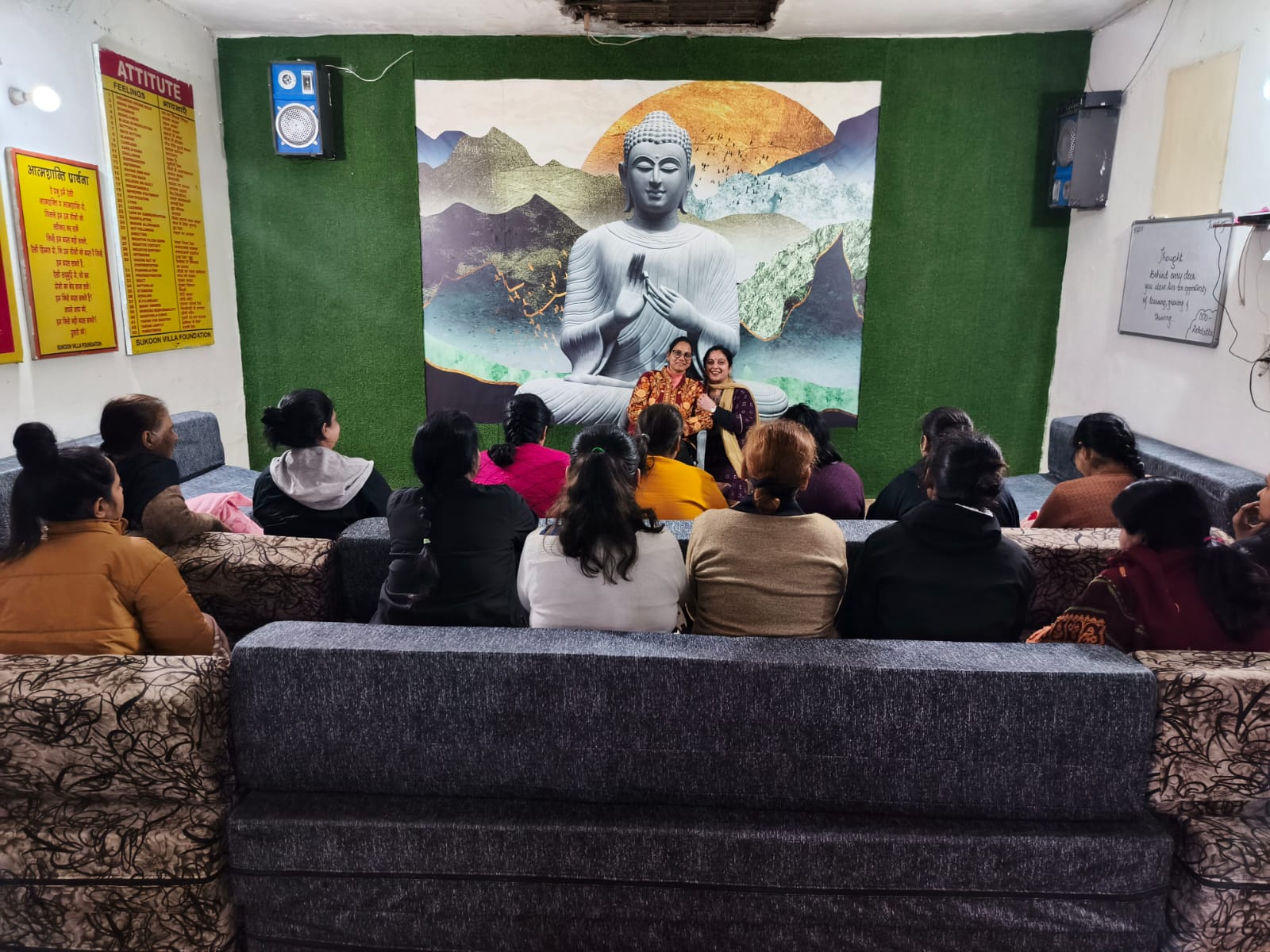
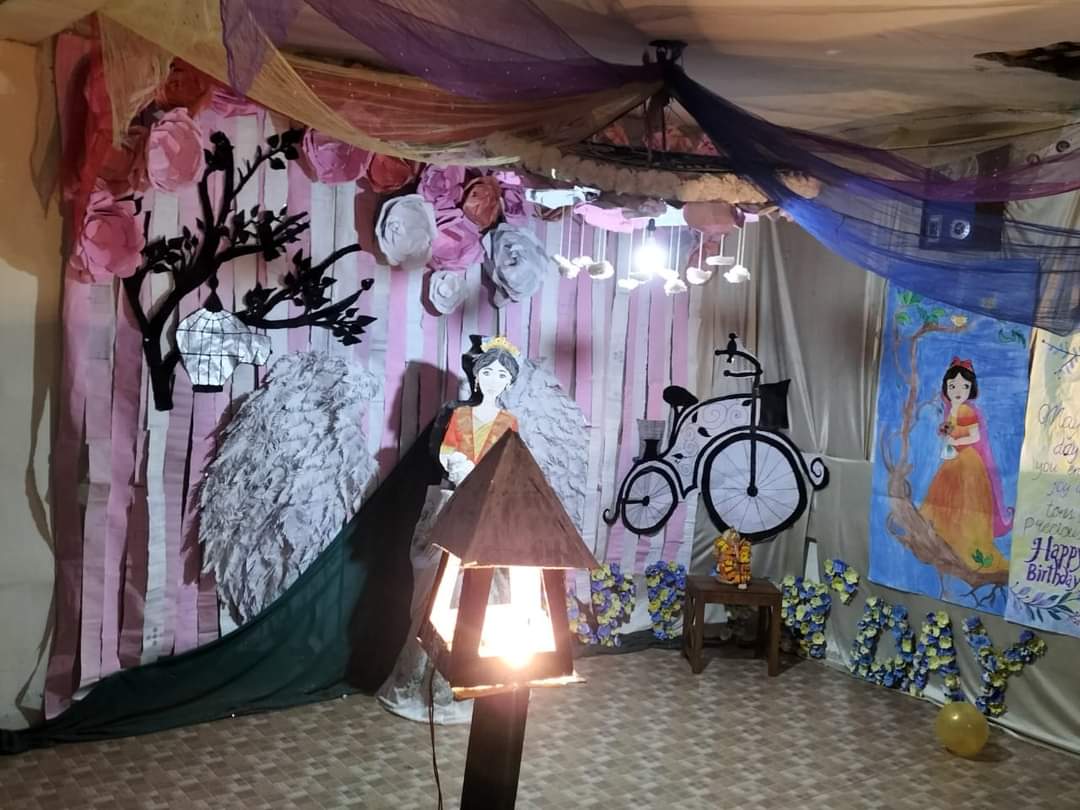
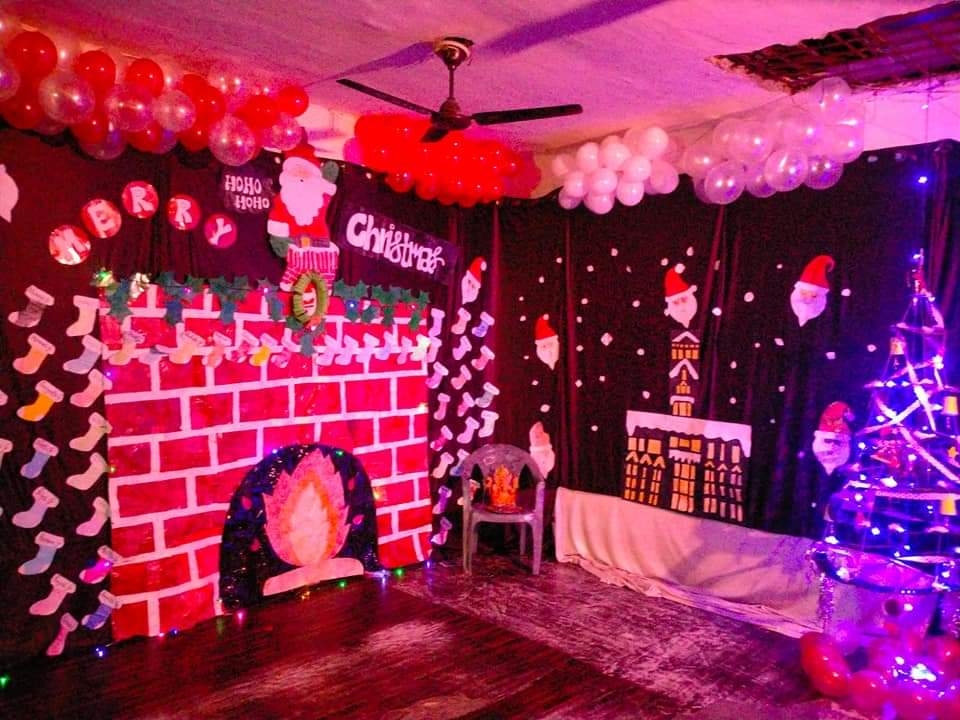
The thing about Sukoon Villa Foundation is that they empower you and alight your spirit so that you can explore the multidimensional gifts that come with mindfulness. In addition, there are recreational therapies like meditation, cooking, aerobics, dance sessions, paintings, occasion celebration that enable a woman to look at things from a different perspective which will pave the way for a truly successful recovery.


Sukoon's treatment program will educate and encourage the fact that if one is stuck in survival mode, their energies stick to fighting off unseen enemies, which does not leave any room for care and love. Hence, As a woman, you need to stop waiting and embrace your life.


Therefore


In order to heal from addiction the help of Sukoon Villa Foundation can be reached out to start your journey towards recovery now by speaking of the admissions.

SUKOON VILLA FOUNDATION AS MENTAL CARE PROGRAM

Mental disability is a psychological syndrome associated with distress such as painful symptoms, impairment in one or more important areas of functioning, increased risk of death, or causes a significant loss of autonomy. The American Psychiatric Association (2013) (APA) redefined mental disorders in the DSM-5 as "a syndrome characterized by clinically significant disturbance in an individual's cognition, emotion regulation, or behaviour that reflects a dysfunction in the psychological, biological, or developmental processes underlying mental functioning. Due to which the individual’s ability to review or evaluate information effectively or communicate decision is impaired to such extend that individual is not only troublesome to others but is unlikely to survive safely in the community for self.


Sukoon villa foundations works for the mental care of individuals with mental disability. The following are some disorders that we provide mental care for:


Intellectual disability: Intellectual disability is a condition that limits intelligence and disrupts abilities necessary for living independently. Signs of this lifelong condition appear during childhood. Most people with this will need some degree of assistance throughout their lives. Support programs and educational offerings can help with managing symptoms and effects.


Anxiety Disorder: Is a fear that interferes with normal functioning, which include specific phobia, generalized anxiety, social anxiety, panic, agoraphobia, obsessive compulsive and post-traumatic stress disorder.


Mood Disorder: It is an unusually intense and sustained sadness, including melancholia, or despair, which is known as major depression or unipolar or clinical depression; Prolonged depression; and bipolar disorder which is known as manic depression.


Psychotic Disorder: Patterns of belief, language use and perception of reality such as delusion, hallucination, and thought disorder. It includes schizophrenia and delusion disorder.


Personality Disorder: It is the fundamental characteristics of a person that influence thoughts and behaviors across situations and time and it includes eccentric, such as paranoid, schizoid, and schizotypal personality disorders; types that have described as dramatic or emotional, such as antisocial, borderline, histrionic or narcissistic personality disorders; and those sometimes classed as fear-related, such as anxious-avoidant, dependent, or obsessive-compulsive personality disorders.


Eating disorder: It is a disproportionate concern in matters of food and weight that include anorexia nervosa, bulimia nervosa, excessive bulimia or binge eating disorder.


Sleep disorders: are associated with disruption to normal sleep patterns. A common sleep disorder is insomnia, which is described as difficulty falling and/or staying asleep, narcolepsy, sleep apnea, chronic sleep deprivation and restless leg syndrome.


Sexual disorders include dyspareunia and various kinds of paraphilia that is sexual arousal to objects, situations, or individuals that are considered abnormal or harmful to the person or others.


Substance use disorder: It refers to the use of drugs, legal or illegal, including alcohol that persists significant problems or harm related to its use and includes substance dependence and substance abuse.


Dissociative disorder: It is a severe disturbance of self-identity, memory, and general awareness of self and surroundings including depersonalization or dissociative identity disorder, which was previously referred to as multiple personality disorder.

HOW SUKOON VILLA PLAYS ITS ROLE FOR MENTAL CARE?

Developing routine

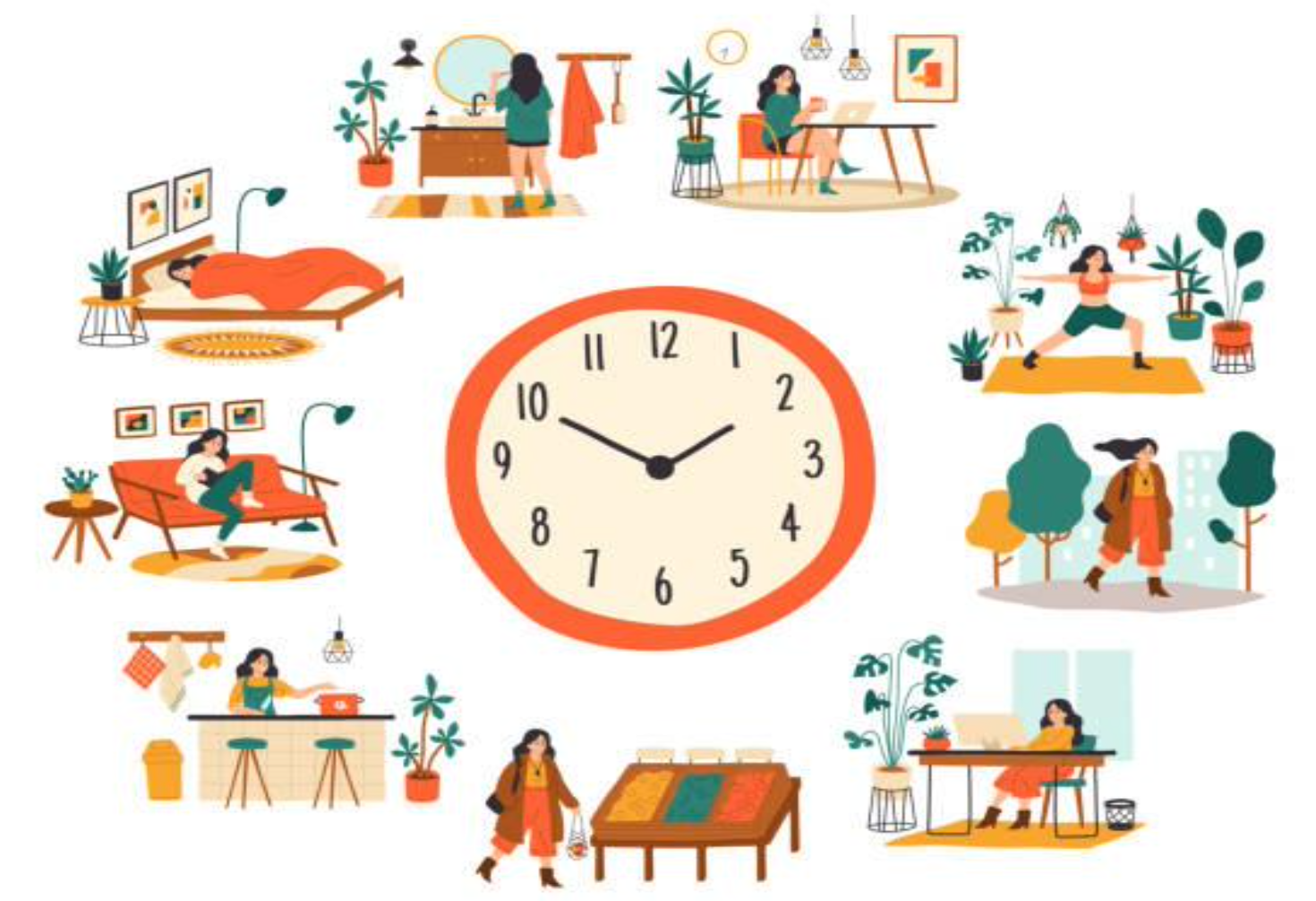
As it is said that ‘Implementation of a lifestyle change implies that a routine is followed and habits are formed.’ Implementation of a lifestyle change implies that a routine is followed and habits are formed. A daily routine refers to the regular activities that a person engages in on a daily basis. These activities may vary depending on a healthy lifestyle includes habitual consumption of nutritious foods, regular physical activity, consistent sleep, personal interests and recreational activities.

Contact

Maintaining basic activities of daily living

It includes bathing, maintaining personal hygiene and grooming, toileting and continence, having meals on time, dressing, managing finances, managing communication with others in order to socialise, housecleaning, house maintenance and following a routine that helps an individual to grow and develop.

Contact

Cognitive-behavioral therapy

CBT, also called talk therapy, combines therapeutic techniques from both aspects of cognition and behaviors to help individuals recognize and resolve distorted patterns of thought, which often influence their behaviors.

Contact

Counselling and Motivational therapies

These are an important component of recovery. Motivational therapies are provided that can help someone to build healthy life skills, change their attitudes and behaviors, addressing motivation and staying compliant with treatment.

Contact

Mutual support groups and sessions

Rehabilitation program provide groups where members can debunk each other's excuses and support constructive change. It is usually free and can be very helpful. They provide a sense of belonging, decrease stigma, and offer strong support. Various sessions are provided in group to develop and boost the internal motivation of the person

Contact

Signs and symptoms of drug addiction

Feeling that you need to consume the drug every day or several times a day.

When the urge to consume comes, it blocks out all other thoughts that could be related to personal, professional life.

Having to consume increased dosages to get the same high.

Consuming drugs for longer periods than the original plan.

Always ensuring that you don’t run out of supply.

Consorting to the Beg-Borrow-Steal triage to score drugs

Avoiding your social and professional circles before the drug habit

Postponing or delaying work duties

Gallery

...
...
...
...
...
...
...
...
...
...
...
...
enquiry
Enquire Us